Tandem Stroller vs Side-by-Side: Which Fits Your Family?
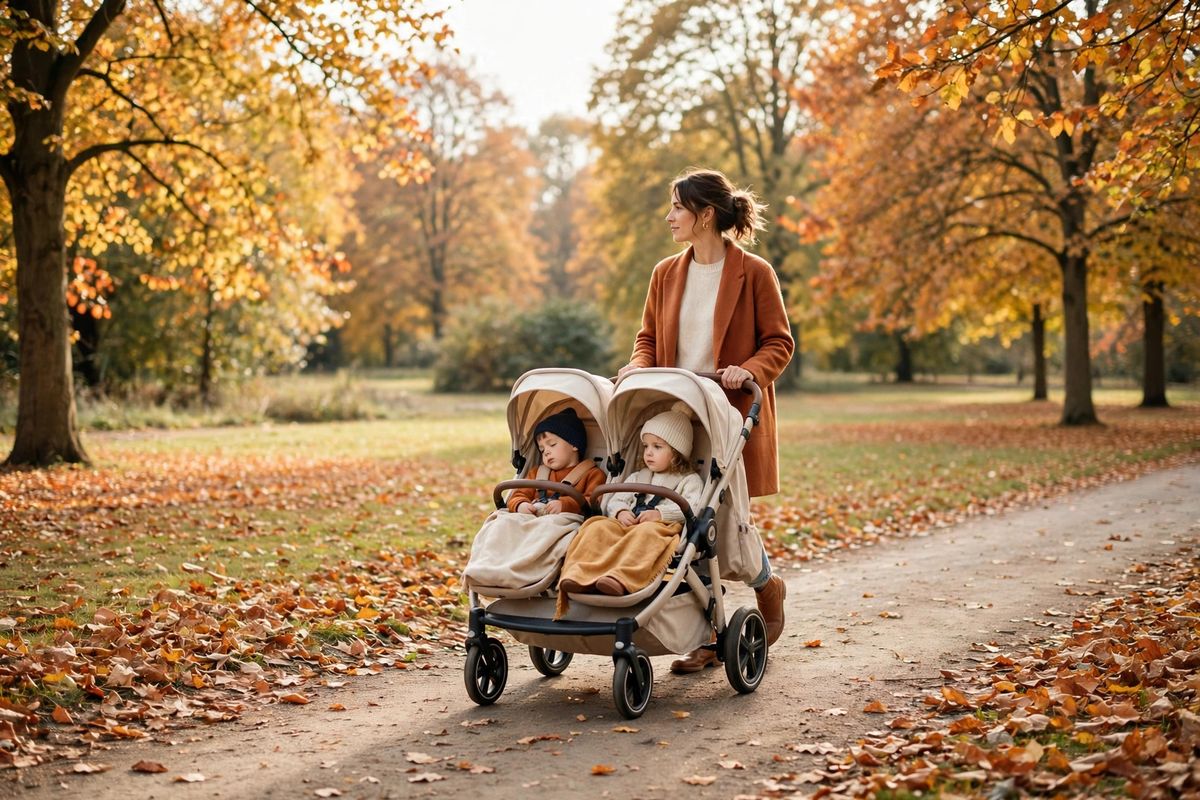
The day you start shopping for a double stroller, the questions multiply fast. Two kids in diapers, one sidewalk, one car trunk, and a stroller that has to work for all of it. The biggest fork in the road is layout: tandem, with one seat in front of the other, or side-by-side, with two seats sharing the view. Both carry two children safely and comfortably, but they feel very different in daily life. This comparison walks through the honest strengths and annoyances of each style, so you can match the stroller to your streets, your car, and your kids instead of a showroom test drive.
Tandem Strollers: The Slim Problem-Solver
A tandem stroller keeps the footprint of a single stroller and stacks the second seat in front, behind, or slightly above the first. The slim profile is its superpower. It slips through standard doorways, shop aisles, elevator doors, and crowded farmers markets without the sideways shuffle. Many tandems also convert: they start as a single stroller and accept a second seat when a sibling arrives, which spreads the purchase across two stages of family life.
The compromises are real, too. Tandems tend to be longer, which can make tight turns feel like steering a small boat. The child in the lower or rear seat may have a limited view and less legroom as they grow, and the combined weight, once you add two toddlers, is noticeable on curbs and hills. Folding can take an extra step when both seats are attached.
Side-by-Side Strollers: The Fair-and-Square Favorite
A side-by-side gives both children the same seat, the same view, and the same access to snacks, which settles more arguments than you might expect. For twins, it is usually the natural choice: two identical seats that often recline fully and independently, so one baby can nap while the other watches the world. Many parents find a well-designed side-by-side surprisingly easy to push because the weight is balanced, and both riders are right in front of you rather than one disappearing down by your shins.
The concern everyone raises is width, and it deserves a measured answer. Most quality side-by-sides are built to pass through standard doorways, but older buildings, narrow shop entrances, and tight restaurant layouts can still be a squeeze. The fold is wider too, which matters in a small trunk. Measure your main doorway and your car before falling in love with any model.
Head-to-Head: The Everyday Factors
- Doorways and stores: tandem wins for narrow spaces and busy sidewalks; side-by-side fits standard doors but tests your patience in boutiques.
- Fairness and naps: side-by-side wins; identical seats, independent reclines, no arguments about who rides in front.
- Pushing and steering: side-by-side feels balanced with two equal riders; tandem handles better solo but gets long and heavy fully loaded.
- Newborn plus toddler: tandem often wins, since many convert from a single and accept an infant seat up top while the toddler rides below.
- Twins: side-by-side usually wins for matched, fully reclining seats from day one.
- Car and storage: tandem folds slimmer; side-by-side folds flatter but wider. Your trunk gets the final vote.
- Longevity: a convertible tandem can serve from one child to two and back; a side-by-side serves the two-rider years beautifully, then is done.
Matching the Stroller to Your Family
Start with your actual week. City families who navigate buses, elevators, and narrow storefronts usually thrive with a tandem. Suburban walkers with wide sidewalks, park paths, and a garage for storage often prefer the side-by-side and never think about width at all. Consider your children's age gap as well: a newborn and a three-year-old have very different needs from a pair of twins, and a big gap may mean the older child graduates to a ride-along board sooner than you expect, which favors a convertible tandem. Finally, test the boring details in person: the fold, the lift into your trunk, and the push with weight in the seats. A stroller you dread lifting is a stroller that stays home.
A Quick Decision Guide
If you are still torn, run through this short list with your household in mind:
- You live in a walk-up or ride elevators daily: lean tandem.
- You are expecting twins: lean side-by-side.
- Your trunk is small and already crowded: lean tandem, and test the fold.
- Your toddler insists on fairness in all things: lean side-by-side.
- You want one stroller to last from the first baby to the second: lean convertible tandem.
- Your days are parks, zoos, and wide suburban sidewalks: lean side-by-side.
There is no universal winner here, only the stroller that disappears into your routine. The right choice is the one you stop thinking about after the first week, because it simply works every time you leave the house.
Frequently Asked Questions
Will a side-by-side stroller really fit through doors?
Most well-known models are designed to fit a standard doorway, and in everyday practice they pass through home, store, and restaurant doors far more often than parents fear. The tight spots are older buildings and narrow interior doors, so measure the few places you visit weekly.
Which style is better for twins?
Side-by-side, in most cases. Two matching seats with full, independent reclines make feeding, napping, and soothing simpler when both babies are the same age. Some tandems handle twins well too, but check that both seats recline enough for newborns.
Can one stroller work from the first baby through the second?
Yes, if you choose a convertible tandem that starts as a single and adds a second seat later. That flexibility is the tandem's strongest long-term argument, though you will pay for the extra adapters and seat when baby number two arrives.