Top Christmas Picks for Kids: Tested-by-Moms Gift Guide
The best Christmas gifts rarely come from chasing the loudest toy commercial. They come from noticing what a child already loves: the toddler who lines up every block, the preschooler who turns blankets into castles, the grade-schooler who would happily spend an hour building, drawing, or asking how things work. When a gift matches that spark, it tends to be opened with joy and used long after the wrapping paper is gone.
This guide is organized the way moms actually shop. Start with age and stage, then think about how your child plays, how much space you have, and whether the gift invites you in or works beautifully on its own. You will find dependable gift types and the little details that separate a thoughtful pick from a toy forgotten by New Year.
Start with the Child in Front of You
Age ranges on boxes are helpful, but your child is the real guide. A busy two-year-old needs things that can be pushed, stacked, carried, and dropped without drama. A five-year-old may crave pretend play and simple rules. Older kids often want a project with a satisfying finish: something to build, cook, code, stitch, paint, or perform. If you are stuck, look at the last three things your child chose during free time. That pattern is usually more honest than any wish list written in a store aisle.
It also helps to think in categories instead of hunting for one perfect present. Many families do well with something to play with, something creative, something cozy, and something to share. That mix keeps Christmas morning from becoming a pile of near-duplicates and gives quieter gifts a chance to shine after the excitement settles.
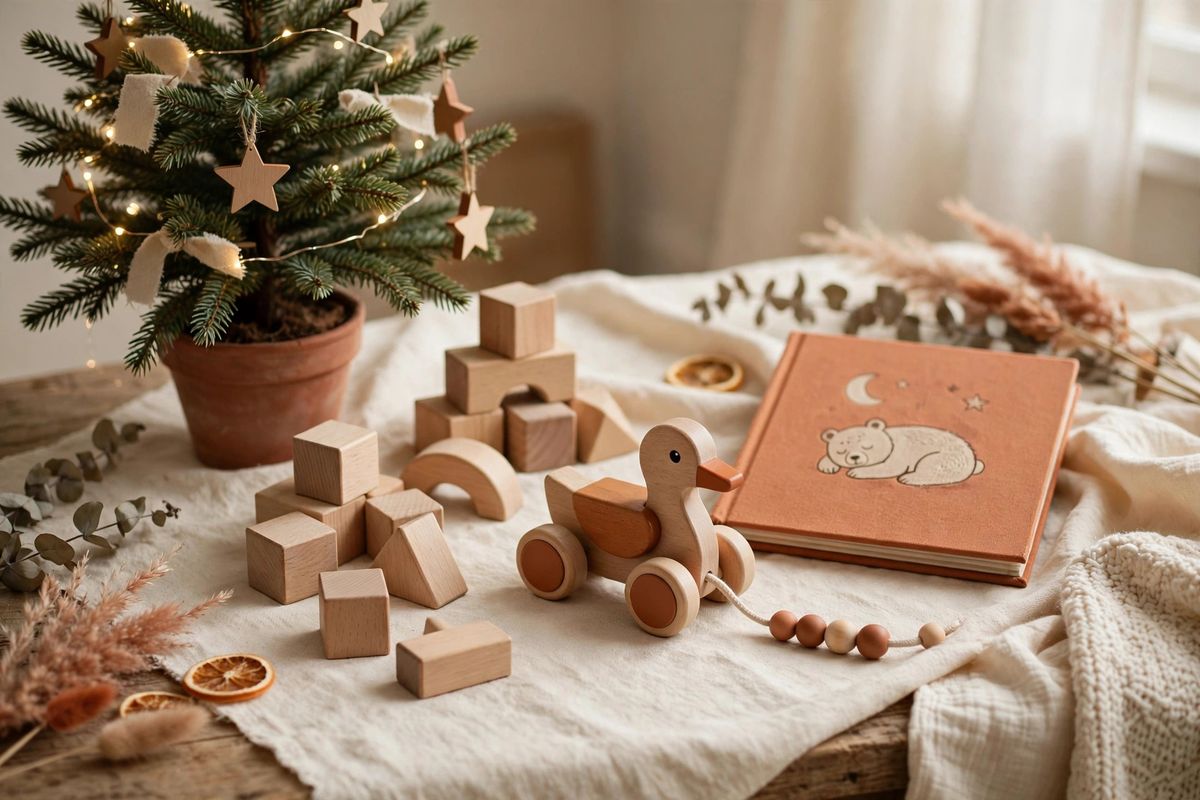
- For babies and toddlers: sturdy push toys, stacking cups, soft balls, chunky puzzles, board books, and simple ride-on toys.
- For preschoolers: dress-up pieces, play food, magnetic tiles, dolls or action figures, beginner games, and art supplies that wash clean.
- For early elementary kids: building sets, science kits, craft boxes, sports gear, chapter books, and beginner musical instruments.
- For older kids: strategy games, journals, hobby tools, sports accessories, room decor they choose themselves, and experience gifts.
Choose Gifts That Grow with Them
A gift earns its place when it can be used more than one way. Blocks become towers, roads, zoos, and pretend stores. A play kitchen can serve breakfast to stuffed animals today and host a restaurant next month. Art supplies are used up, yes, but they also produce cards, comics, gifts for grandparents, and rainy-day peace for you. Open-ended gifts are especially kind to siblings because a younger child can join in at one level while an older child stretches the same materials further.
Durability matters too. For younger kids, look for smooth edges, washable surfaces, and pieces that are not so tiny they vanish into the couch. For older kids, choose quality in the one item they will use weekly rather than spreading the budget across five flimsy extras. A well-made backpack, a sturdy scooter accessory, or a game with strong replay value often feels more generous than a mountain of plastic.
The gifts our kids remember most are usually the ones that gave us time together, not the ones that made the most noise.
Books deserve a special mention. A beautiful picture book, a funny chapter book, or a cookbook written for kids can become part of bedtime or weekend routines. Pair a book with a related extra if you like: a flashlight for reading under a blanket fort, a bookmark they can decorate, or ingredients for the first recipe you will try together.
Give Experiences Alongside Things
Experience gifts are a lifesaver when your house already feels full. Tickets to a children theater performance, a zoo or museum visit, an ice-skating afternoon, or a baking date can be wrapped in a simple envelope with a note explaining the plan. Kids still get the fun of opening something, and your family gets a memory on the calendar after the holidays.
Shared gifts can work just as well. A family board game, a puzzle everyone can add to, a karaoke microphone for living-room concerts, or supplies for a movie night basket give kids something social to enjoy with cousins and friends. For siblings close in age, one bigger shared gift plus a small individual item often prevents the Christmas-morning comparison game.
- Choose experiences your child can picture: a date, a place, and one special treat.
- Keep the timing realistic, ideally within the next month or two.
- Add a tiny physical clue, such as a map, ticket holder, or snack for the outing.
- Let older kids help choose between two options; the choosing is part of the fun.
Shop Thoughtfully and Keep It Manageable
Before you buy, do a quick toy inventory. If you already own three versions of the same thing, a new one will not feel new. Notice missing pieces too: sometimes the best gift is the add-on that makes an old favorite useful again, like extra tracks, replacement game pieces, fresh play dough, or a storage bin that finally corrals the tiny parts.
Set a simple plan for stockings and extras. Small items add up quickly, so decide whether stockings are for treats, useful surprises, or tiny fun. A few thoughtful things beat a stocking stuffed with novelties that break by lunch. If you shop early, keep a note on your phone with what you bought and where you hid it.
Finally, leave room for the gift your child mentions with their whole heart, even if it is not the one you would choose. Christmas is not a curriculum. A slightly silly present that makes them light up belongs right beside the practical, beautiful, educational ones. Balance is the real mom-tested secret.
Frequently Asked Questions
How many Christmas gifts should a child get?
There is no magic number. Many families aim for a few meaningful gifts rather than a set count. Consider your budget, storage space, and your child temperament. Some kids savor each present; others get overwhelmed quickly. A smaller stack opened slowly, with time to play between gifts, often feels richer than a huge pile opened in a blur.
Should I buy educational gifts or fun gifts?
You do not have to choose. The best learning gifts rarely announce themselves as lessons. Building sets teach planning, board games teach patience and math, art supplies build fine motor skills, and books grow language. Pick something genuinely fun first, then notice the skills it naturally supports. If a child only sees homework in a box, the gift will sit untouched.
What if grandparents want to buy something big?
Share a short list of approved types and mention space or safety needs kindly and early. If they are set on a large gift, suggest an experience, a contribution toward an activity, or one quality item your child will truly use. Clear communication prevents duplicate gifts and hurt feelings, and it helps grandparents feel included instead of managed.