Creative Holiday Decorating with Kids: Safe, Cheap, Cheerful
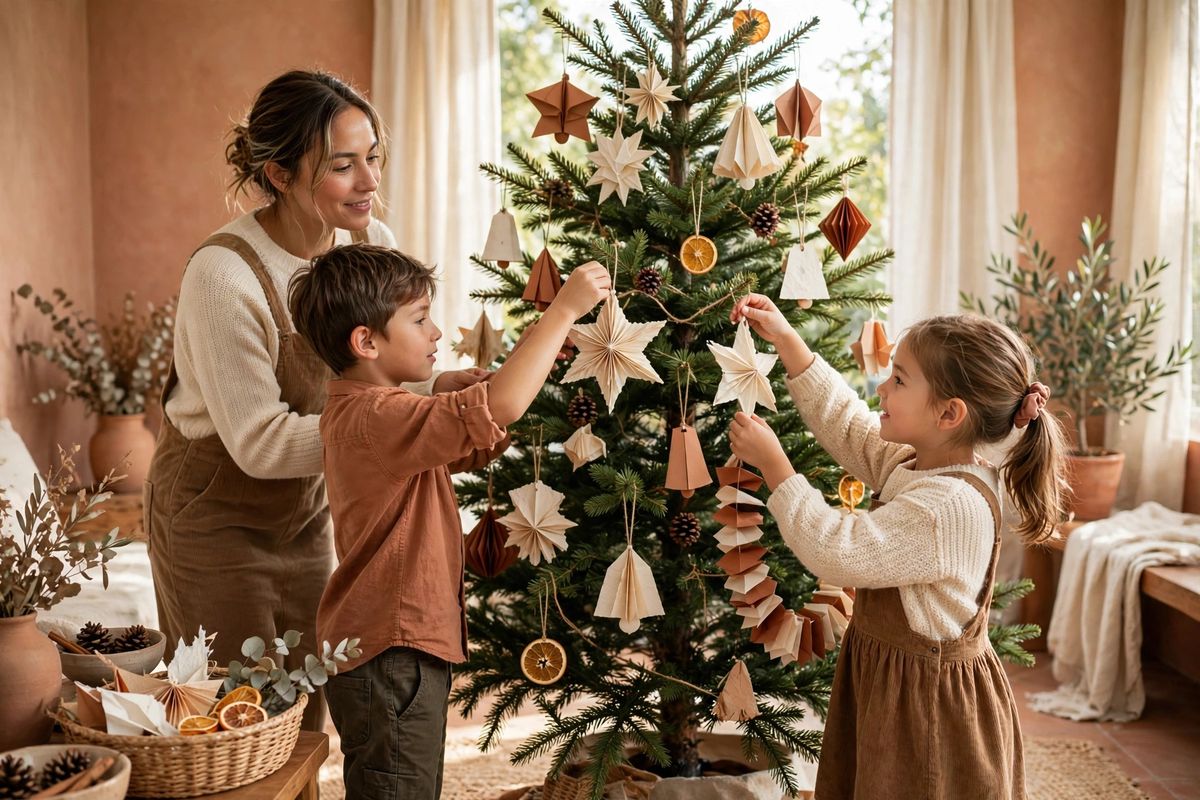
Some of my favorite holiday memories are not the perfectly decorated rooms. They are the crooked paper snowflakes, the ornament hung at toddler eye level, and the year my kids insisted the nativity needed a toy dinosaur standing guard. Decorating with children is less about creating a magazine cover and more about making a home that says your family lives here and is loved here.
The good news is that cheerful does not have to mean expensive or risky. With a few safety rules, inexpensive materials, and projects matched to age, kids can help turn your home festive without turning you into a full-time ornament bodyguard. Let the pretty and fragile pieces live up high. Give children ownership of the spaces and projects they can reach.
Set Safety Rules Before the Boxes Come Out
Start with a quick sort. Put breakable, sentimental, or heavy decorations in one pile for adults to place. Put soft, lightweight, and sturdy decorations in a kid pile. This one step prevents most tears. Toddlers explore with their mouths and hands, so keep small detachable pieces, button batteries, tinsel, and long ribbons out of reach. Check light strings for damaged wires, keep cords secured, and choose battery-operated candles when little hands are curious.
Think about your tree and heavy decor like furniture. Anchor the tree if you have climbers, hang fragile ornaments above the swipe zone, and keep breakables away from the edges of mantels and tables. If you use scented items, place them where children cannot eat or rub them on skin. Plants that look festive may not be safe for nibbling, so check before placing them low. A calm five-minute safety scan lets everyone relax and enjoy the fun.
- Give children soft, shatterproof, and lightweight ornaments for low branches.
- Keep hooks, batteries, tinsel, and small detachable parts away from toddlers.
- Use battery candles instead of open flames in kid-heavy areas.
- Secure the tree, cords, and heavy stockings holders so nothing tips or falls.
- Wash hands after handling older decorations, glitter crafts, and scented items.
Let Kids Make the Decorations They Hang
Homemade decorations solve two problems at once: they are affordable, and children care more about displaying something they made. Paper chains are the classic starter project. Use construction paper or recycled wrapping scraps, let older kids cut strips, and let younger kids help choose colors and count links. Hang chains across a doorway, around a banister with care, or above a window where they can be admired without being pulled.
Salt dough ornaments are another keeper. Mix a simple dough, roll it out, cut shapes, bake until firm, cool completely, and paint. Adults should handle the oven and make the hanging hole before baking. Toddlers can press a handprint with help; older kids can paint names, dates, and designs. Keep expectations charming, not perfect. The wobbly star with too much blue paint may become the one you treasure most.
Window snowflakes bring instant cheer. Fold paper, snip carefully with age-appropriate scissors, and tape the results at child height where they can show visitors their work. Add a garland of popcorn or plain paper shapes for a cozy look, but skip edible garlands where pets or toddlers will snack unsupervised. If glitter is involved, contain it on a tray and accept that a little sparkle will follow you into February.
Create Kid Zones Instead of Guarding Every Inch
Designate a few places where children are in charge. Their bedroom door can hold a wreath they decorated with felt pieces. The refrigerator can become an art gallery for holiday drawings. A low shelf can hold a small village made from blocks, boxes, and toy figures. When kids have official spaces to arrange, they are less tempted to redesign the fragile display you just finished.
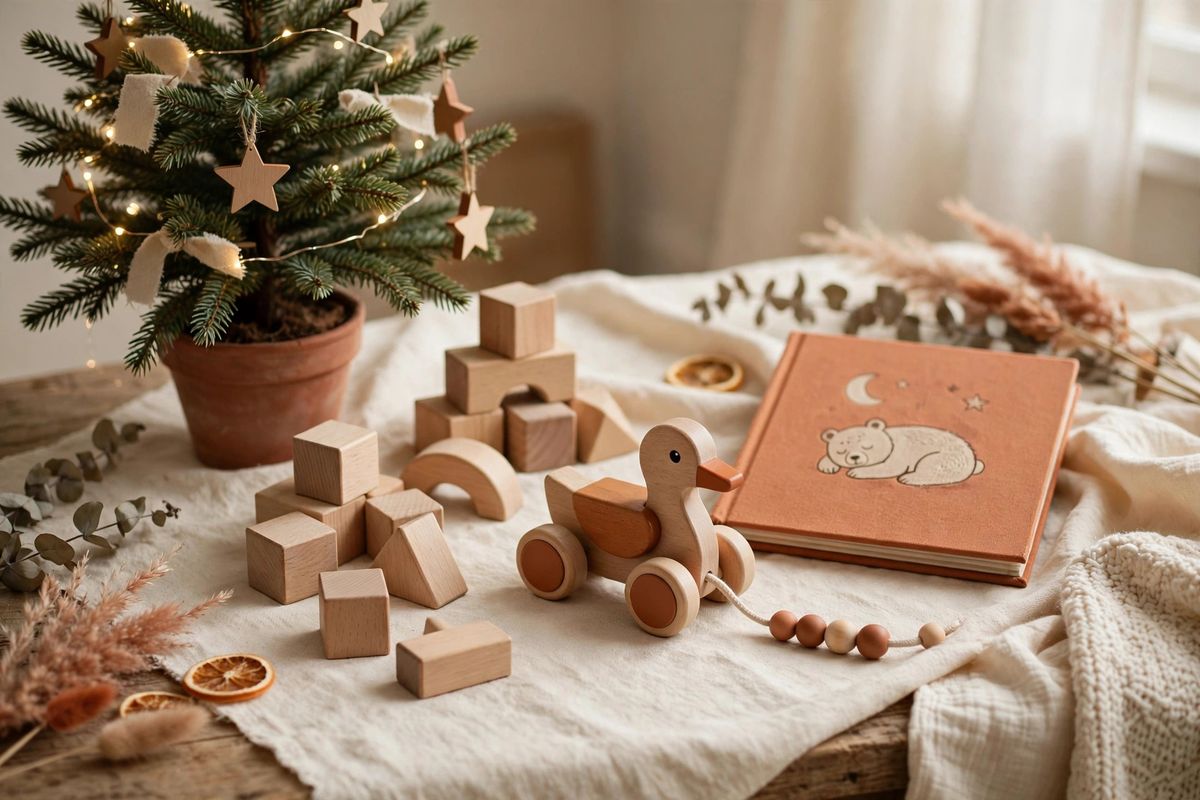
Try a decorating basket for toddlers and preschoolers. Fill it with soft ornaments, felt trees, large jingle bells that are securely made for play, holiday board books, and fabric scraps for pretend decorating. They can decorate a small felt tree, the couch, or their own stuffed animals while adults handle the real tree. This gives them the experience of participating without making every ornament a negotiation.
Children do not need a perfect holiday home. They need to see their fingerprints on the season and feel trusted to help.
Older kids can take real jobs: sorting ornaments by color, testing light strings with an adult, writing gift tags, arranging a centerpiece from pinecones and oranges, or choosing where the stockings will hang. Give them a budget for one small decoration they pick themselves. You may end up with a glittery reindeer you never would have chosen, and it may become family legend in the best way.
Keep It Cheap by Shopping Your House First
Before buying anything, gather what you already own: leftover ribbon, mason jars, baskets, scarves, cookie cutters, and last year paper scraps. Cookie cutters make great stencils and simple ornaments when traced on heavy paper. Jars can hold battery tea lights or a few ornaments. A bowl of oranges, apples, or pinecones looks festive without a specialty purchase. Even a stack of holiday books wrapped in a bow can become a table display.
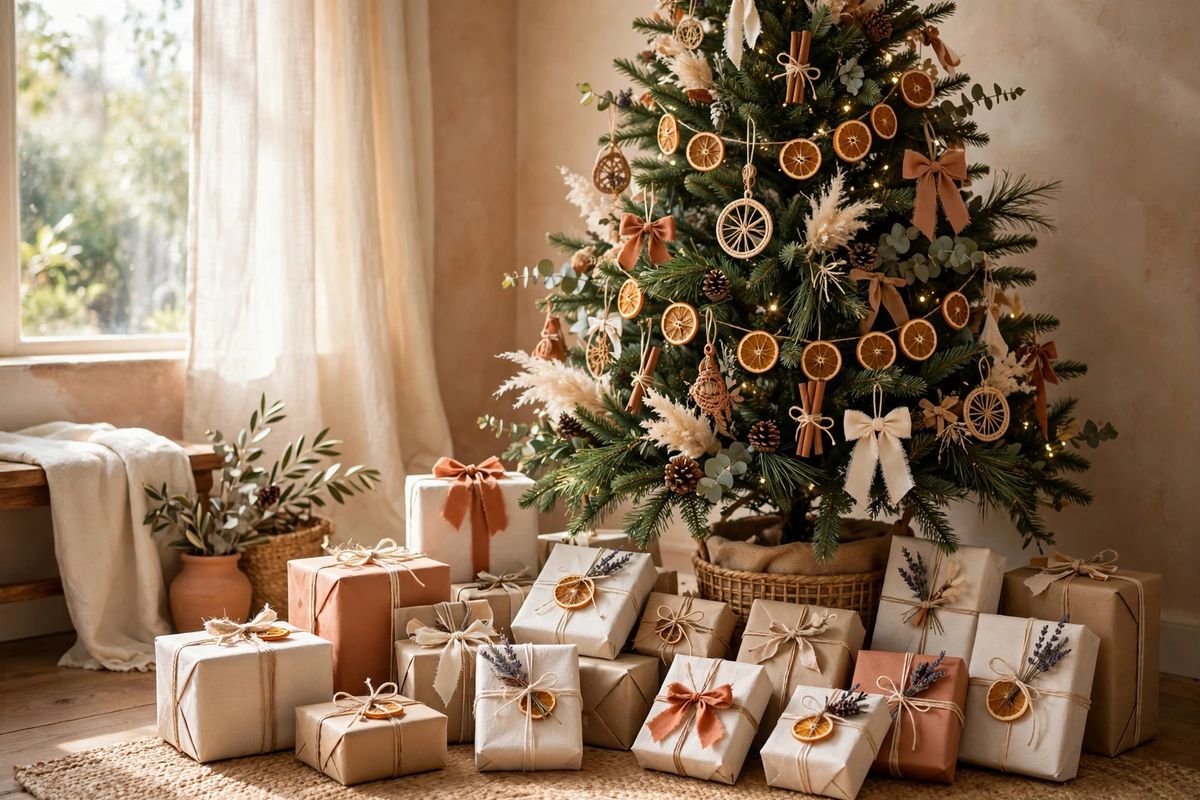
Let nature help, especially in Minnesota where winter gives us plenty of free material. Collect pinecones on a walk, dry them indoors, and use them plain or with a touch of paint. Evergreen clippings from your yard, with permission where needed, can fill a vase or frame a doorway. Keep natural items away from heat sources and check for bugs before bringing them inside. The goal is cozy, not costly.
- Reuse jars, baskets, books, ribbon, and wrapping scraps as decor.
- Make one paper project and one keepsake project instead of buying many kits.
- Choose a simple color theme so mixed homemade pieces look intentional.
- Save sturdy kid-made decorations in a labeled bin for next year.
Frequently Asked Questions
How can toddlers help decorate safely?
Give toddlers soft ornaments, felt pieces, large paper decorations, and a small area that belongs to them. Keep them away from hooks, glass, small parts, cords, and open flames. Let them carry unbreakable items, place stickers, and choose between two safe options. Short helping sessions work best; when they lose interest, a holiday board book or snack can save the day.
What are the cheapest decorations that still look festive?
Paper chains, snowflakes, homemade ornaments, a bowl of fruit or pinecones, and battery tea lights in jars make a big impact for very little money. Grouping items matters: three jars together look like a display, while one jar alone can look forgotten. A simple color theme also makes inexpensive decorations feel pulled together.
How do I keep decorating from becoming stressful?
Lower the finish line. Decorate in stages, let children own specific projects, and protect only the pieces that truly matter to you. Play music, make cocoa, and stop before everyone is tired. A home that feels warm and lived in is more memorable than a flawless room nobody was allowed to touch.