Bath Toys That Don't Grow Mold: A Parent's Buying Guide
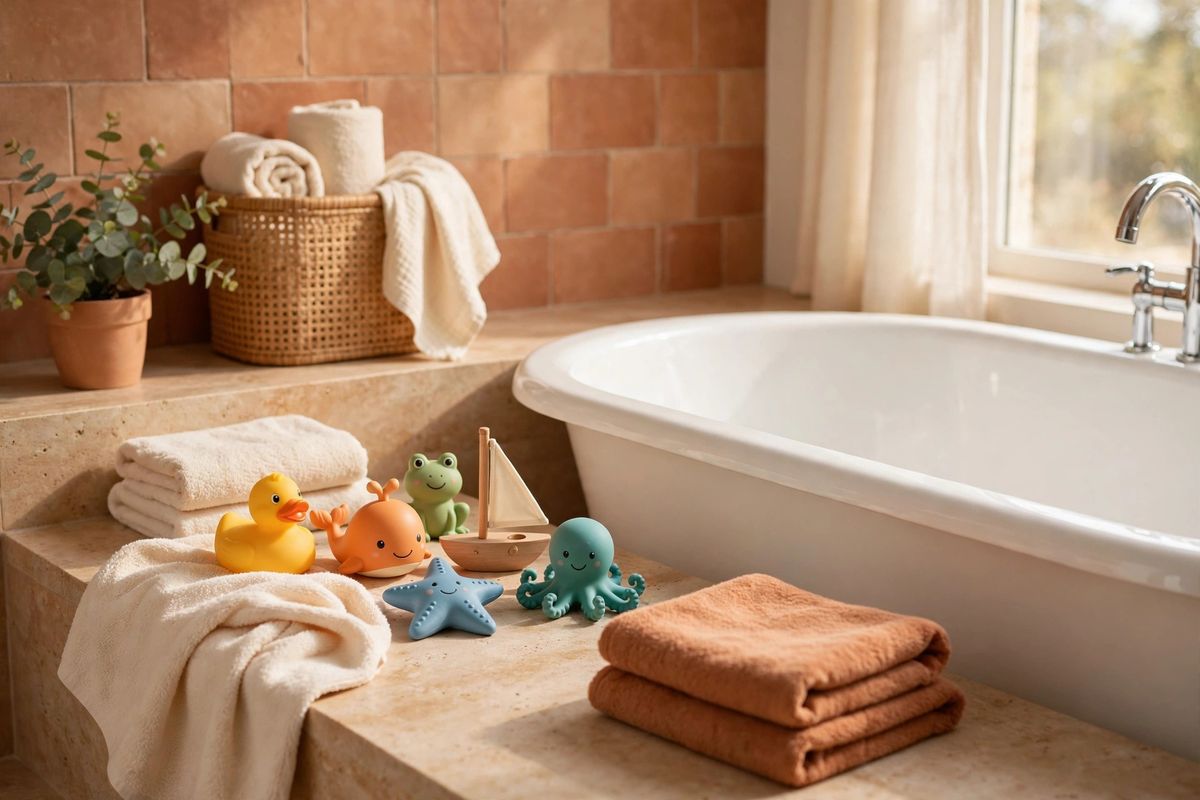
Here is a rite of passage nobody warns you about: one day you squeeze your baby's beloved rubber duck, and something gray and speckled squirts into the bathwater. Cut that toy open — as many horrified parents have done — and you will often find a dark, slimy film coating the inside. That is not your housekeeping failing. It is the design of the toy itself. The good news is that a whole category of bath toys is built to avoid the problem entirely, and once you know what to look for, bath time gets a lot less gross and a lot more fun.
Why Mold Loves Ordinary Bath Toys
Classic squeeze toys have a fatal flaw: a tiny hole in the bottom. Water gets in during every bath, but it never fully gets out. The inside of the toy stays warm, dark, and damp, with a steady supply of soap residue to feed on. That is exactly the environment mold and mildew need, and the sealed, hollow body of the toy means you cannot scrub it away, no matter how motivated you are. The black or pink specks appear within weeks, not years.
Toys with seams, plug holes, and hidden inner chambers have the same problem in slow motion. Even the most diligent parents cannot dry what they cannot reach. So rather than fighting a losing battle with vinegar soaks and wishful thinking, it is smarter to choose toys that never trap water in the first place — and to build a few simple habits around the ones you keep. Your future self, holding a flashlight over the tub at midnight, will thank you.
What to Look for Instead
When you are standing in the store aisle turning toys over in your hands, these are the features that separate the keepers from the toss-it-in-a-month disappointments:
- One-piece, solid construction with no holes, plugs, or hollow chambers anywhere
- Food-grade silicone or solid plastic that flexes without cracking or splitting at the seams
- Fully open designs, like cups and open-hull boats, that drain completely and dry fast
- Smooth surfaces without deep crevices, textured seams, or glued-on parts that lift over time
- Dishwasher-safe materials, so a genuine deep clean is easy instead of a project
- Pieces sized for small hands to grab, pour, and stack — and too solid to hold water inside
If a toy can fill up with water and you cannot see exactly how every drop will get back out, it will eventually grow something you do not want floating in your child's bath. That one simple test eliminates most of the problem toys on the shelf, and it works in about five seconds.
The Types That Hold Up Best
Stacking cups are the undefeated champions of the bathtub. They nest for storage, pour and sprinkle during play, teach early cause-and-effect, and because they are completely open, they dry fully between baths. Solid silicone animals and figures give babies the same squeezing, gum-friendly experience as a classic rubber duck with none of the hollow interior — and many can go straight into the dishwasher when they need a real wash. Foam letters and shapes that stick to wet tile are another strong pick: they are solid all the way through, though they should still be dried flat rather than left in a soggy pile.
Open-hull boats, solid balls, and simple watering cans with wide openings round out a rotation nicely. The pattern is consistent: the simpler the toy, the cleaner it stays. Save the wind-up swimmers and squirting characters for the pool bag or the backyard water table, where they can be a short-term treat instead of a permanent bath resident — and retire any of them at the first sign of discoloration you cannot wipe away.
Habits That Keep Any Bath Toy Cleaner, Longer
Even the best-designed toys stay fresher with a tiny bit of routine. These habits take about a minute at the end of bath time:
- Squeeze out and shake off every toy when the bath ends — no exceptions, no leaving it for later.
- Store toys in a mesh bag or an open, slotted basket that drains and lets air circulate, never a sealed bin.
- Run dishwasher-safe toys through a hot wash about once a week, more often during cold season.
- Wipe down the storage container itself from time to time; mold often starts there, not on the toys.
- Inspect the whole set monthly and toss anything with visible specks, cracks, splits, or a musty smell.
- Keep the rotation small. Fewer toys in the tub means each one actually gets dried, cleaned, and checked.
None of this is about being a perfect parent with a perfect bathroom. It is about stacking the odds: toys that cannot trap water, stored where air can reach them, cleaned on a rhythm you can actually keep. Do that, and the dreaded squeeze-test surprise becomes a story you tell other parents instead of a discovery you make yourself.
Frequently Asked Questions
Can I clean a moldy squeeze toy, or should I just throw it away?
Once mold is established inside a sealed squeeze toy, it is nearly impossible to remove completely, because you cannot reach or scrub the inner surfaces. Soaking may help the outside, but the inside stays colonized. The safer and simpler move is to toss it and replace it with a one-piece, no-hole alternative your child can love just as much.
How often should bath toys be replaced?
There is no fixed schedule — it depends on the toy. Solid, open designs can last for years with regular cleaning. Inspect monthly, and replace anything that cracks, fades badly, develops rough edges, or keeps a musty smell after washing. Hollow squeeze toys have the shortest useful life and should be the first to go.
Are silicone bath toys really better than plastic ones?
Material matters less than design. A solid plastic cup that dries completely will stay cleaner than a hollow silicone squirter with a hole in it. That said, one-piece silicone has real advantages: it is flexible, has no seams to split, tolerates the dishwasher well, and is gentle for teething babies to chew on. Whichever material you choose, apply the same rule — no trapped water, no problem.