Best Water Shoes and Swim Gear for Toddlers Learning to Swim
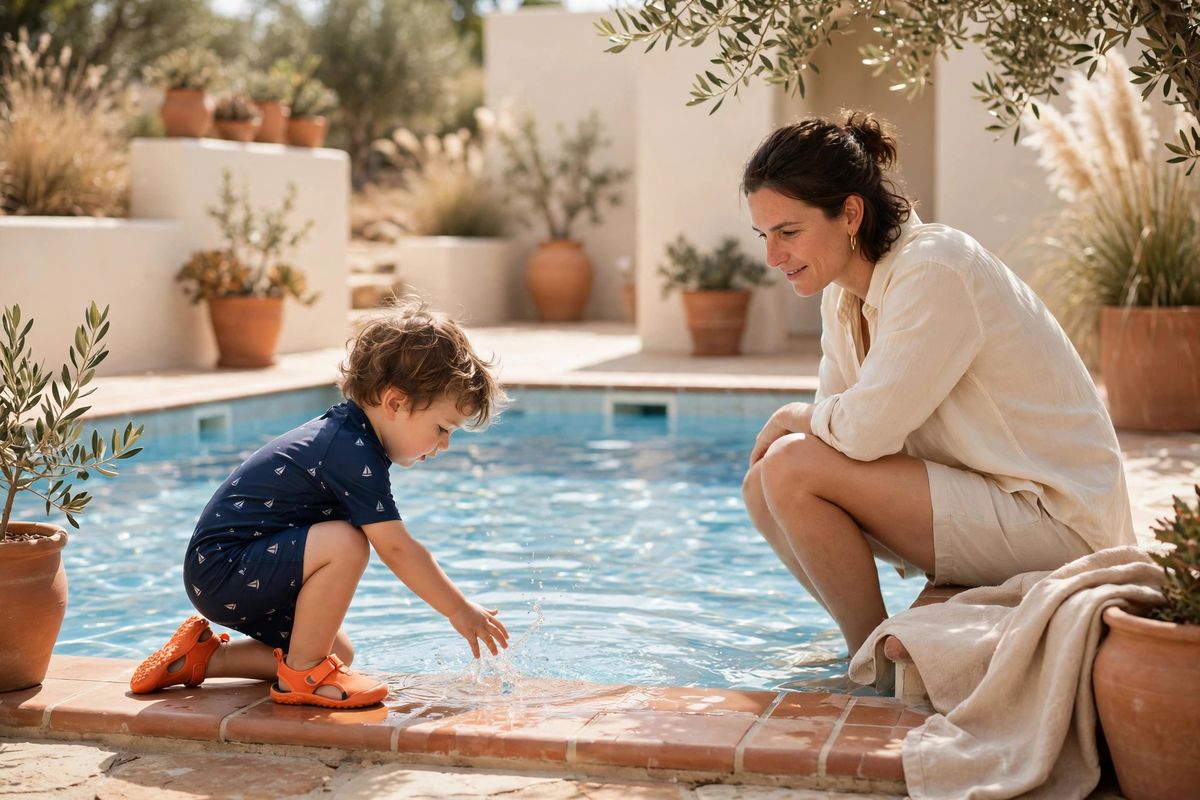
The first summer your toddler discovers the pool is pure magic — right up until the sprint across a scorching pool deck, the slip on wet concrete, or the tentative toes meeting a gravelly lake bottom. Toddlers are fearless around water and not exactly graceful in it, which makes their gear more than a cute accessory. The right water shoes and a small kit of beginner-friendly swim gear protect little feet, prevent the slips that sour a child's confidence, and help brand-new swimmers feel secure enough to actually enjoy learning. Here is what to look for, what actually matters, and what you can safely skip.
Why Toddlers Need Real Water Shoes
Bare feet are fine on your living room rug. Pool decks, splash pads, docks, and lake shores are another story. Concrete gets hot enough by midday to make a toddler howl, painted pool surfaces turn slick the moment they get wet, and natural shorelines hide shells, sticks, and sharp little stones that adult feet barely notice. A good water shoe puts a thin, grippy layer between all of that and the most sensitive feet in the family.
There is a confidence angle, too. A toddler who slips hard on wet tile once may cling to the pool steps for the rest of the summer. Shoes with genuine traction let new walkers and runners move around the water's edge at their own pace — which is exactly the pace at which kids fall in love with swimming instead of fearing it.
What Makes a Good Toddler Water Shoe
Skip the flimsy fashion versions and judge every pair against these criteria:
- A closed toe or sturdy toe bumper, because toddlers stub their feet on steps, ladders, and rocks constantly
- A flexible rubber sole with real tread that bends with the foot instead of fighting it
- A secure closure — a hook-and-loop strap or snug elastic — that stays on during kicking and cannonball attempts
- Quick-drying mesh or neoprene uppers that do not stay heavy and soggy for hours
- Drainage that lets water flow out instead of pooling around the toes
- A heel that stays put without rubbing, since wet skin blisters far faster than dry skin
The shoe should feel like a sock with a sole, not a hiking boot. Toddlers learning to kick and float need to feel the water with their feet; thick, stiff soles get in the way and tire little legs out. If your child can wiggle their toes, point them, and forget the shoes are on, you have the right pair.
The Rest of the Beginner Swim Kit
Water shoes are the start, not the whole bag. A sun-protective rash guard does double duty: it cuts down on the full-body sunscreen wrestling match and adds a layer of warmth in chilly pools, which matters because toddlers get cold fast and cold toddlers are done swimming. Look for a snug-but-not-tight fit and a high neckline. A wide-brim swim hat that stays on with a chin strap protects ears, neck, and scalp during the long, shallow-end sessions toddlers love.
For diaper-age swimmers, reusable swim diapers are the practical standard at most pools; they are designed to contain solids without ballooning up with pool water the way a regular diaper does. You will want at least two, so one can dry while the other is in use. As for flotation, choose only life jackets and arm-band style devices that are clearly labeled as U.S. Coast Guard approved, sized by your child's weight — and treat them as backup, never as supervision. Nothing replaces an adult within arm's reach of a toddler in the water, full stop.
Getting the Fit Right and Making Shoes Last
Sizing swim shoes is its own little art. These habits will save you returns and blisters:
- Size by current foot length with just a thumbnail of growing room — too-big water shoes slip off mid-swim and trip kids on deck.
- Have your toddler stand and walk in them dry first; any heel slipping on land will be worse in the water.
- Check the fit again mid-summer. Toddler feet grow fast enough to outgrow a June purchase by August.
- Rinse shoes with clean water after every swim to wash out chlorine, salt, and sand.
- Air-dry them out of direct sun, stuffed loosely with a dry towel if they are taking too long.
- Keep a spare pair in the swim bag if your child is in lessons twice a week, so one set is always dry.
The best toddler swim gear is the gear your child forgets they are wearing — that is when the real learning and playing happen.
Frequently Asked Questions
Can toddlers wear regular sneakers or sandals in the pool instead?
Regular sneakers get waterlogged, heavy, and slow to dry, and they can damage some pool surfaces. Open sandals and flip-flops leave toes exposed and slide off during kicking, which is how they end up sinking sadly to the pool floor. Purpose-made water shoes are inexpensive, dry fast, and stay on — they are worth it even for one vacation.
Should my toddler wear water shoes during swim lessons?
Many instructors prefer bare feet in the water so children learn how kicking should feel, and shoes are often worn only for the walk to and from the pool. Ask your lesson program about its preference. For free swim, splash pads, lakes, and rocky beaches, keep the shoes on — that is where they earn their keep.
How do I keep water shoes from smelling terrible?
The smell comes from mildew growing in shoes that stay damp. Rinse after every use, pull the insoles out if they come out, and always air-dry fully before tossing them back in the swim bag. A wash with mild soap every week or two during heavy use keeps them fresh. If a pair smells even after a thorough wash and full dry, it is time to replace it.