Getting Kids to Help at Home: Age-by-Age Chore Guide
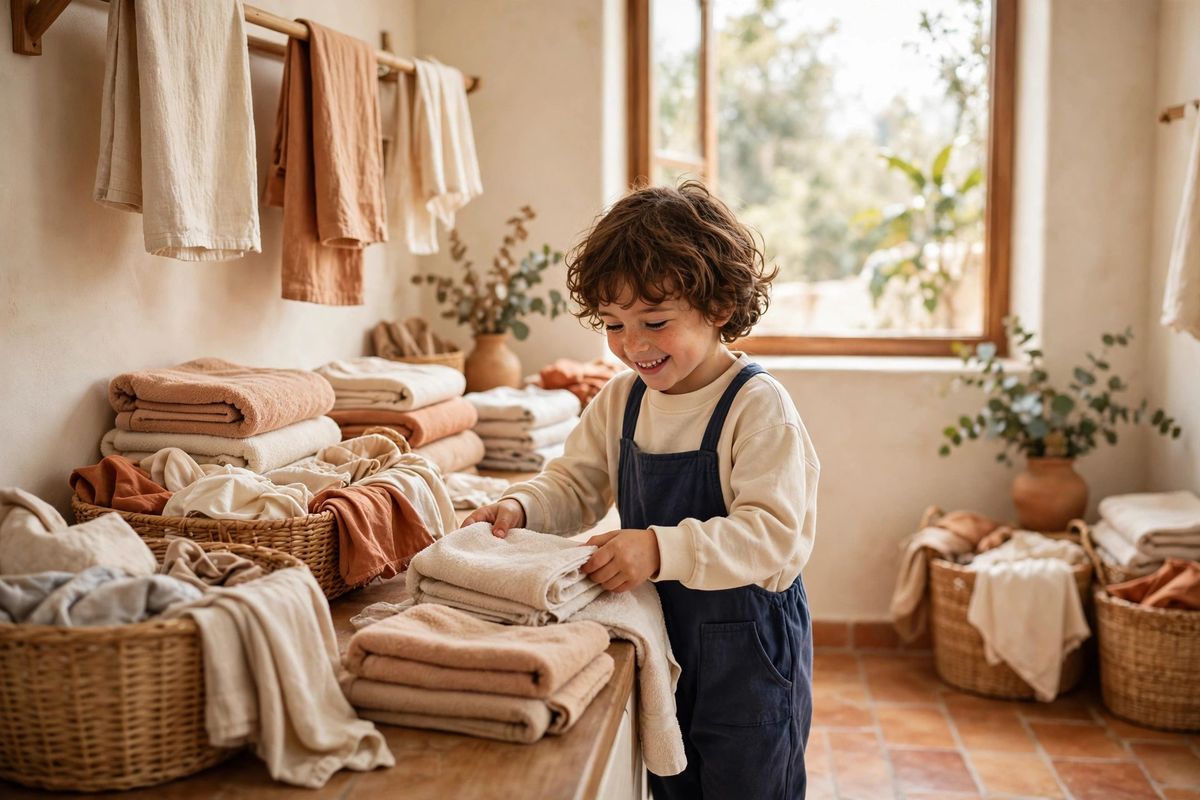
The day my four-year-old proudly carried her own laundry basket down the hall, socks escaping in every direction, I realized something: kids do not resist helping nearly as much as we assume. Mostly, they resist helping badly, being corrected constantly, and being handed jobs that were sized for adults. Give a child a task that fits their age, show them once, and step back, and most kids rise to it with a seriousness that would make a project manager jealous.
Chores are not really about a cleaner house, although the house does get cleaner. They are how kids learn that they are capable, contributing members of a family, and that a home runs because everyone carries a piece of it. Here is the age-by-age breakdown we have used, plus the systems that make chores a normal rhythm instead of a daily battle.
Toddlers (Ages 2–3): Little Helpers, Tiny Jobs
Two and three-year-olds desperately want to do what you are doing, which makes this the easiest age to start. The trick is choosing jobs where enthusiasm matters more than results.
- Put toys and books back in a basket or bin
- Carry unbreakable items to the table, like napkins or plastic cups
- Put their own dirty clothes in the hamper
- Wipe up their own small spills with a towel
- Feed the family pet with a pre-measured scoop, with a grown-up nearby
- Choose between two outfits and put pajamas in the drawer
Expect everything to take three times longer than doing it yourself. That is not a bug. That slow, wobbly practice at age two is exactly what produces a competent six-year-old.
Preschool and Kindergarten (Ages 4–5)
Four and five-year-olds can handle real responsibility, especially jobs with a clear beginning and end. This is a great age for a simple picture chart, because most cannot read a list yet but can absolutely follow photographs or drawings of their jobs.
- Make their bed, in the loose sense: blanket pulled up, pillow on top
- Sort laundry into lights and darks, and match clean socks
- Set and clear their own place at the table
- Water houseplants or one section of the garden with a small watering can
- Put away their own clean clothes in low drawers
- Dust low surfaces with a microfiber cloth and tidy their own room with a checklist
Early Elementary (Ages 6–8)
By six to eight, most kids can own a job completely, start to finish, without an adult hovering. This is where chores start genuinely lightening the household load, and where a written chore chart with real checkboxes becomes deeply satisfying.
- Take out small trash bags and replace the liner, and carry recycling to the bin
- Vacuum a room with a lightweight or handheld vacuum
- Load and unload the dishwasher's kid-safe items, and wash simple dishes
- Pack their own school bag and lay out tomorrow's clothes
- Weed one garden bed, rake a pile of leaves, or sweep the porch and steps
- Make simple breakfasts and snacks, like toast, cereal, or a sandwich
- Care for a pet's food, water, and simple cleanup on a schedule
Older Kids (Ages 9–12)
Nine to twelve-year-olds can learn nearly every household system, and this is the window to teach the unglamorous ones they will need as adults: laundry, bathrooms, and basic cooking. Rotate these jobs among siblings if you can, because nobody should be the permanent bathroom kid.
- Run a full load of laundry: sort, wash, dry, fold, and put away
- Clean a bathroom sink, mirror, and toilet with a simple checklist
- Prepare a full simple meal for the family with supervision, like pasta night
- Mow the lawn or shovel snow, once size and maturity fit the job
- Take full responsibility for trash and recycling on collection day
- Watch younger siblings for short stretches while a parent is home but busy
Teens (Ages 13+)
Teenagers should be training for launch. By the time they leave home, the goal is that nothing about running a household is mysterious: cooking a few real meals, doing laundry without ruining anything, cleaning a bathroom properly, handling basic yard work, and keeping a shared space decent for the people they live with. Many families also add life-admin practice at this age, like planning a grocery list on a budget or cooking the family's dinner once a week entirely independently. Treat it as apprenticeship, not punishment, and say so out loud. Teens respond far better to 'I am teaching you to run your own place someday' than to a list of demands.
Making Chores Stick: Charts, Rotation, and Pay
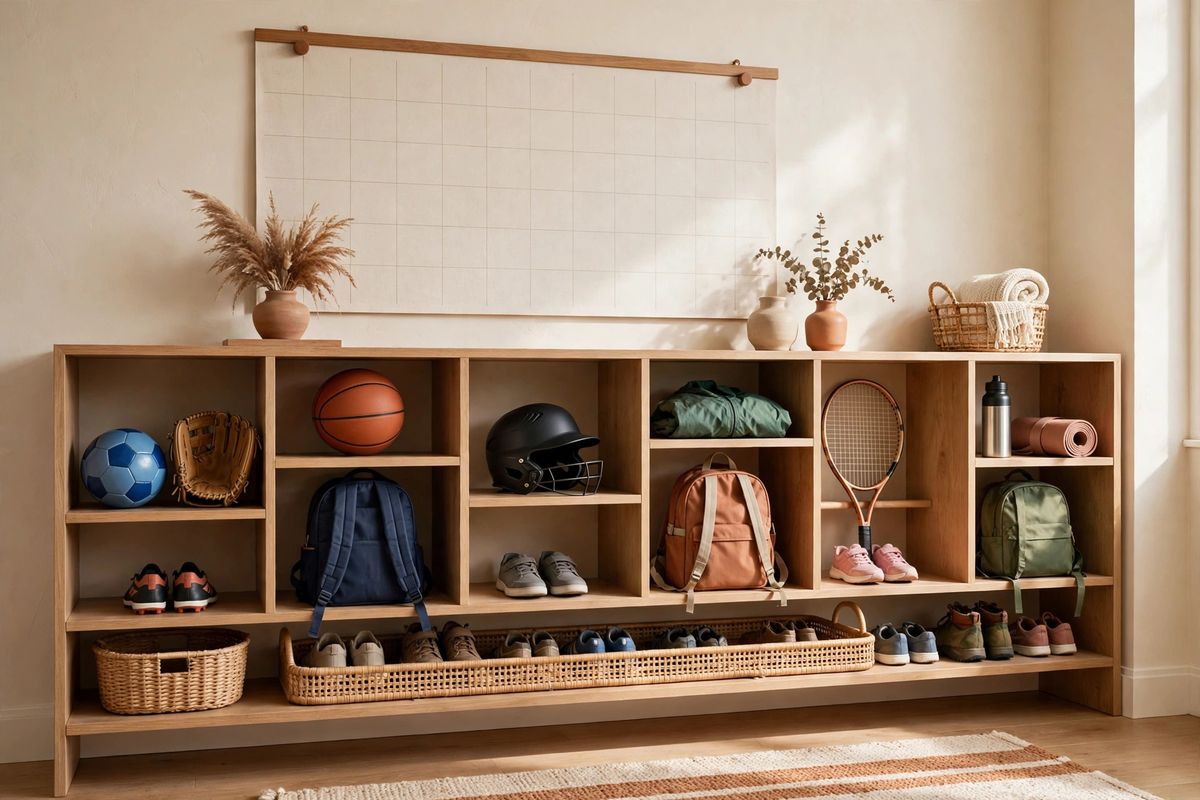
The system matters more than the specific jobs. A visible chart, posted where everyone sees it, turns chores from Mom's memory into the family's shared plan. Rotate the less-loved jobs weekly so fairness is built in, and do a quick reset at the same time each day, because 'clean up at 5, before dinner' succeeds where 'clean up sometime' fails.
On the question of paying for chores, families land in different places, and either can work. Our house rule: baseline chores are unpaid, because they are what family members do for each other. Extra jobs beyond the baseline, like deep-cleaning the garage or washing the car, can earn money. That split teaches both truths at once: contribution is not optional, and extra work has value.
Do not redo your child's work in front of them. A lumpy bed made by a five-year-old is a success, not a problem to fix. Competence grows from being trusted with the real job.
Frequently Asked Questions
When should kids start doing chores?
Most toddlers can start around age two with tiny, supervised tasks like putting toys in a bin or carrying a napkin to the table. The jobs matter less than the habit: helping is simply what people in this family do. Start small, expect imperfection, and grow the list as their coordination and attention grow.
How many chores should a child have?
For most kids, two to four regular jobs, taking fifteen to thirty minutes a day in total, is a sustainable load on top of school and activities. Quality beats quantity. A few jobs done reliably and well teach more than a long list done resentfully and halfway.
What if my child refuses or does a sloppy job?
First, check the fit: a refused chore is often a job that is too big, too vague, or taught too fast. Break it into steps, teach it once more side by side, and make the standard concrete ('the bathroom is done when the sink, mirror, and floor pass the checklist'). Tie completion to the natural next thing, like screens or heading out, rather than lectures, and stay consistent. Most resistance fades when the routine stops being negotiable and starts being normal.